Tool and automotive disc guide
Know Your Discs: From Workshop Cuts to Road Braking
Compare the discs used to cut, shape and finish materials with the brake discs that help stop vehicles on South African roads.
Find the right disc for the job—not just one that fits the tool
Explore Workshop and Vehicle Disc Categories
Cutting discs
Grinding discs
Finishing discs
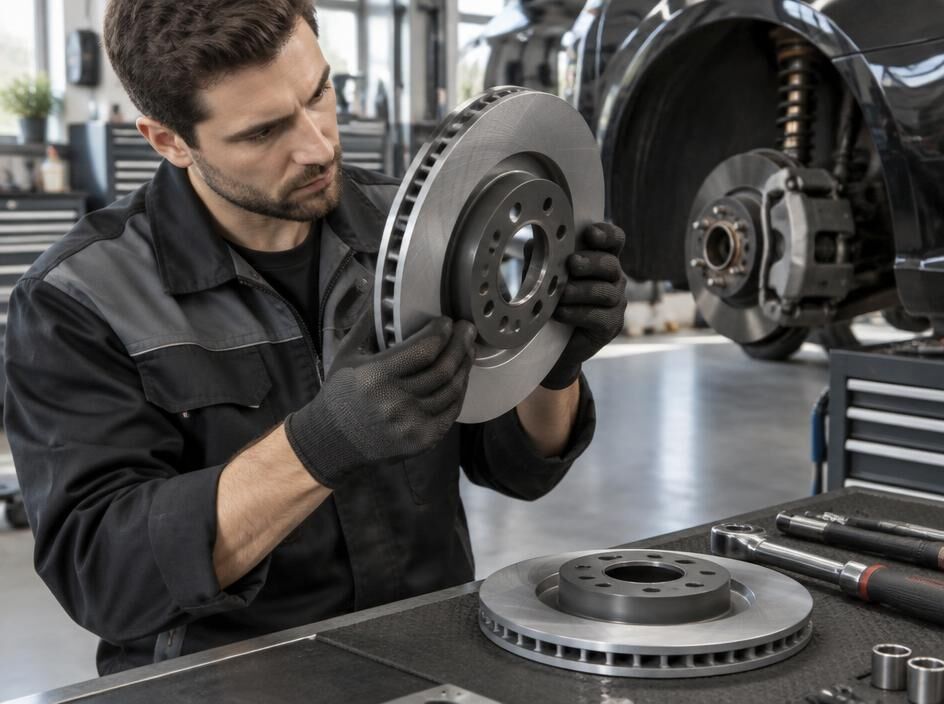
Vehicle brake discs
What Each Disc Does
Cutting Discs
For slicing through material
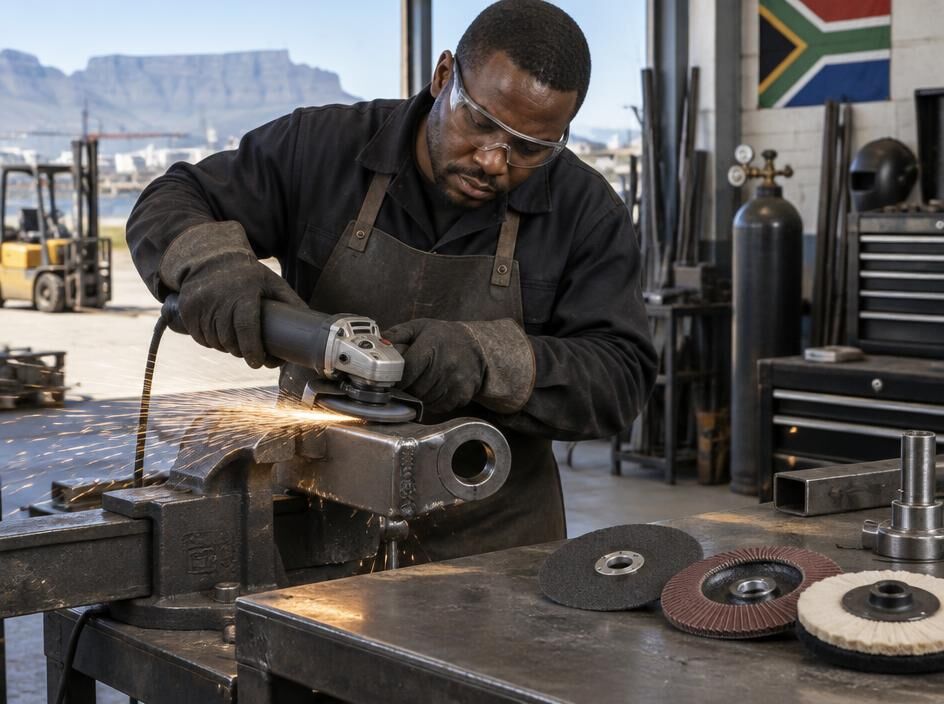
Grinding Discs
For shaping rough surfaces
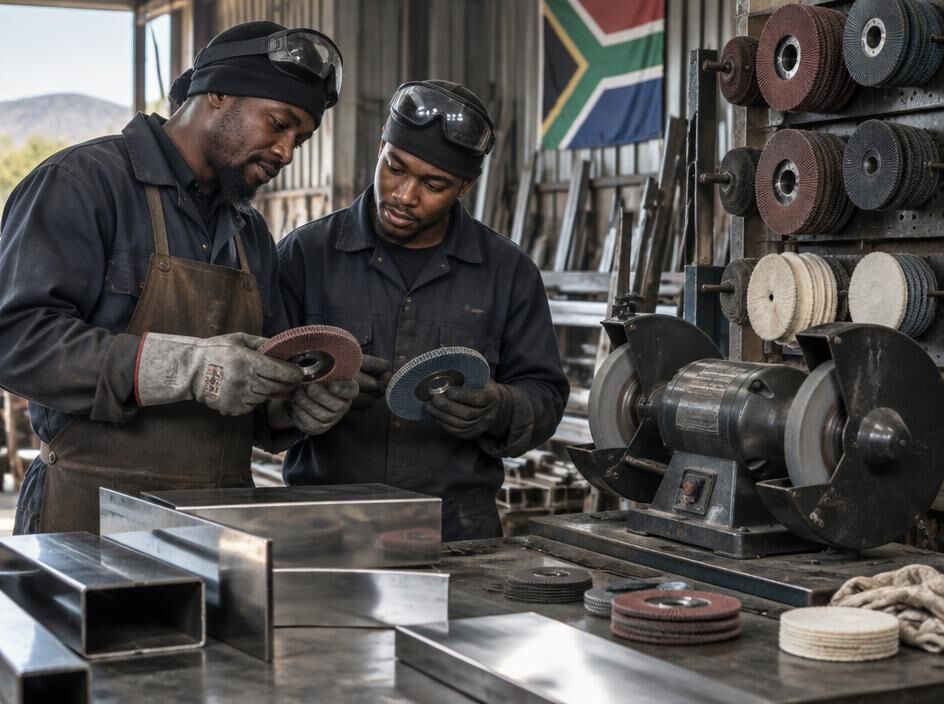
Sanding and Polishing Discs
For surfaces and finishes
Disc Types at a Glance
Primary task
Cutting disc: slices through material
Grinding disc: removes material
Brake disc: slows a vehicle
Used on
Metal, masonry or tile, as rated
Metal welds and rough edges
Vehicle wheel hub and brake pads
How it works
Thin abrasive edge cuts a narrow kerf
Thicker abrasive face wears material away
Rotor creates friction against brake pads
Best distinction
For straight cuts, not side grinding
For shaping and smoothing, not slicing
Automotive component, not a power-tool attachment
What Makes a Disc Fit for the Job
Abrasive Material
Aluminium oxide suits many steelworking jobs, while silicon carbide is often used on masonry. Match the abrasive to the material stated on the label.
Disc Shape and Thickness
Thin cutting discs make narrow cuts; thicker grinding discs withstand face contact. Never use a cutting disc to grind sideways.
Sanding Surfaces
Coarse grit removes paint or rust quickly, while finer grit prepares a smoother finish. Choose a backing pad and grit suitable for the surface.
Polishing Construction
Foam, felt and fabric polishing discs buff rather than cut aggressively. Pair the pad with the right compound and use controlled pressure on painted surfaces.
Tool Compatibility
Check diameter, bore or mounting system, maximum speed and guard requirements before fitting any power-tool disc.
Brake Rotor Design
Solid and ventilated brake discs manage heat differently. Vehicle fitment, minimum thickness and manufacturer specifications determine the correct replacement.
Frequently Asked Questions About Discs
Quick guidance on selecting power-tool discs and understanding the separate role of automotive brake discs.
Can I use a grinding disc to cut steel?
Use a cutting disc rated for steel instead. Grinding discs are made for material removal with their face; using one to cut can be inefficient and unsafe.
What is the difference between sanding and polishing discs?
Sanding discs use abrasive grit to remove material and refine a surface. Polishing discs use softer pads and often a compound to improve the finish.
How do I choose a disc for masonry rather than metal?
Check the disc’s stated material rating. A masonry cutting disc or suitable diamond blade is designed for mineral materials; a metal-cutting disc is not automatically suitable.
Will any disc of the right diameter fit my angle grinder?
No. The mounting bore or fitting, speed rating, disc type and grinder guard must also be compatible. Follow both the tool and disc manufacturers’ instructions.
Are brake discs the same as power-tool discs?
No. A brake disc is a vehicle rotor that slows a wheel when brake pads press against it; power-tool discs cut, grind, sand or polish workpieces.
When should an automotive brake disc be replaced?
Have it inspected if it is below the specified minimum thickness, cracked, heavily scored or associated with braking vibration. A qualified technician should confirm the cause and correct fitment.
Find the Right Discs for Your Next Job
Browse South African suppliers and practical information on cutting, grinding, polishing, sanding and brake discs for your workshop or vehicle.