Disc Safety Guide
Choose, Check and Use Discs Safely
From workshop grinders to automotive applications, safer work starts with the right disc, a careful inspection and the correct protective gear.
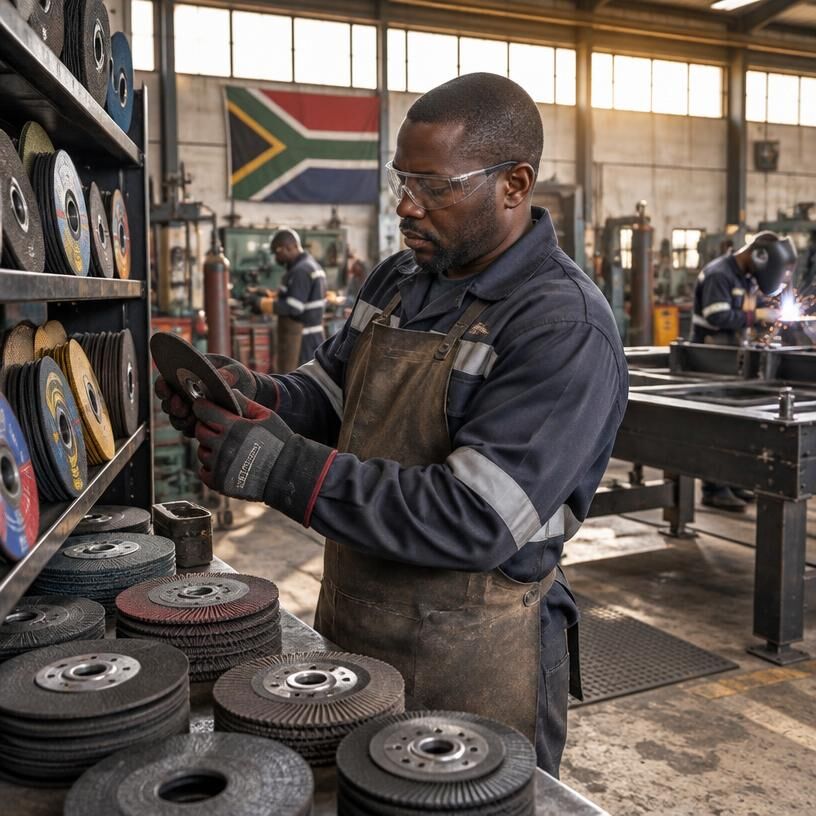
Match the Disc to the Job
Choose a disc made for the material and task at hand. A cutting disc, grinding disc or automotive brake disc serves a different purpose; using one outside its intended application can damage equipment or cause injury.
Check Tool Compatibility
Before fitting a disc, confirm that its type, diameter, mounting dimensions and speed rating suit the tool. Handle discs carefully, use the required guards and personal protective equipment, and keep bystanders clear of the work area.
Follow the Manufacturer’s Directions
This general guidance is a starting point, not a substitute for the instructions supplied with your disc, tool or vehicle. Follow the manufacturer’s fitting, inspection and operating procedures, and do not use a product if its markings or condition leave you unsure it is safe.
Confirm the Application
Identify the material and operation first, then select a disc specifically rated for that use. Check its label rather than relying on appearance alone.
Verify Fit and Dimensions
Compare the disc’s diameter, thickness and mounting size with the tool’s specifications. Never force a disc onto a spindle or modify it to fit.
Compare Speed Ratings
Check the disc’s maximum operating speed against the tool’s rated speed. Do not fit a disc if the tool can exceed the disc’s stated limit.
Inspect Before Use
Look for cracks, chips, warping or other visible damage, and check that labels are legible. Set aside any disc that is damaged or of uncertain condition.
Inspect Every Disc Before Use
Check for Damage
Look for cracks, chips, warping or excessive wear. Never use a damaged disc.
Review Storage and Condition
Check expiry dates where applicable, and reject discs affected by moisture, contamination or poor storage.
Confirm Fit and Mounting
Match the disc to the tool, speed rating and task, then secure it as the manufacturer directs.
Use Discs Safely, Step by Step
Step 1
Step 2
Step 3
Protect Yourself and Your Work Area
Safety glasses
Full-face shield
Hearing protection
Task-appropriate respirator
Cut-resistant gloves
Sturdy, closed-toe footwear
Close-fitting work clothing
Adequate ventilation
Dust extraction where needed
Clear space around the tool
Bystanders kept at a safe distance
Workpiece firmly clamped
Guards correctly fitted
Flammable materials removed
Good lighting
Stable, uncluttered footing
Sparks directed away from people
First-aid supplies within reach
Common Questions About Disc Safety
Check these essentials before fitting or using a disc. If anything seems wrong, stop and verify the disc, tool and application.
Can I use a disc that has a chip, crack or other damage?
No. Do not fit or use a damaged disc. Remove it from service and follow the manufacturer’s disposal guidance; damage can cause a disc to fail during use.
What if a disc fits my tool but is intended for another job?
A fitting arbor does not make a disc suitable. Check that the disc type, dimensions, material and intended application match the tool and task, and follow both manufacturers’ instructions.
How do I check a disc’s speed rating?
Check the maximum operating speed marked on the disc against the tool’s rated speed. Never use a disc if the tool can run faster than the disc’s permitted speed.
What should I do during a disc change or if I notice unusual vibration or noise?
Switch off and disconnect the tool from its power source before changing a disc, and follow the tool manufacturer’s fitting instructions. If vibration, noise or visible damage occurs during use, stop immediately, wait for all movement to cease and inspect the setup before restarting. Seek qualified guidance if the cause is unclear.
Unsure Whether a Disc Is Safe to Use?
Check the disc and tool manufacturers’ instructions before use. If compatibility, fitting or safe operation is uncertain, ask a qualified professional for guidance rather than taking a chance.